

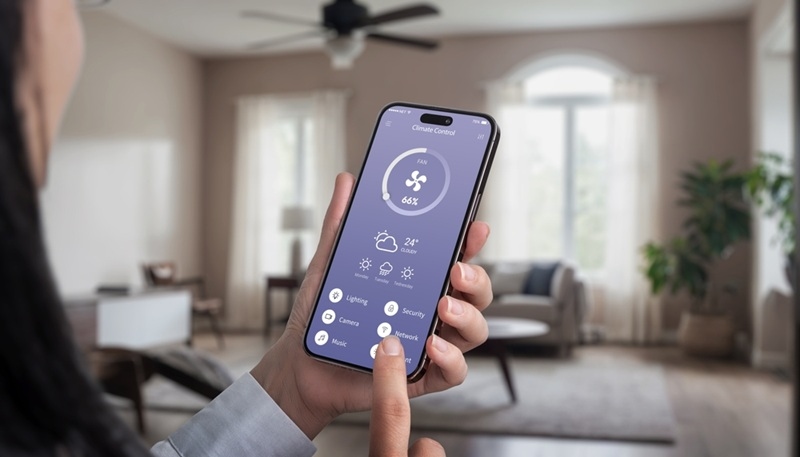
A smart living room should feel comfortable first and helpful second. The goal is not to pack the space with gadgets. It is to make everyday habits easier without changing how you already use the room. Most people spend more time in the living room than anywhere else in the house, so it makes sense to start your smart home upgrades there.
What you will find here is a clear, practical take on smart living. No complicated setups. No long learning curves. Just realistic smart living room ideas that fit different homes and budgets.
A smart living room is a regular living room with connected tools that save time or add comfort. It can be controlled through a phone or a voice assistant, but it should still look like a normal, lived in space. When everything blends in, the room feels more natural and less like a showroom.
People choose smart living for different reasons. Some want simple lighting controls. Others want easier entertainment. A few like the idea of routines that run by themselves. Whatever the reason, a smart living room gives you the option to control the space the way you prefer. It also pairs well with most living room ideas, so you do not have to redesign the entire room.
Some benefits include:
Most upgrades are small and do not require construction. You can start with one device and add more later.
More to Discover: Top Smart Air Purifiers to Improve Home Air Quality
Below are the items that make the biggest difference in a living room. These are simple to set up and work well with everyday use.
A hub is usually the first step. Devices like Amazon Echo, Google Nest, or Apple HomePod can connect most smart home living room ideas into one place. It keeps everything organized so you do not jump between apps. Many homeowners start here because it sets the base for the rest of the devices. Asurion and similar tech support sources recommend this as the first upgrade for a reason. It makes later additions simpler.
Lighting affects the mood of the whole room. Smart bulbs or smart switches let you adjust brightness or color temperature without getting up. You can brighten the area when working, dim it during a movie, or warm it up in the evening. These options make the living room feel more personal.
Entertainment is where most people notice the biggest difference. A smart TV, a soundbar, or a streaming box makes daily use simpler. You can ask the TV to open an app, change the channel, or adjust the volume. It removes the pile of remotes and replaces it with one command.
Comfort matters in a living room. A smart thermostat adjusts the temperature based on your routine. When paired with smart blinds, you can control sunlight and heat. For example, the blinds can close when the afternoon sun hits or open in the morning to brighten the room naturally.
Smart living room ideas can also include furniture pieces that make the room cleaner or more functional. Some examples are:
These pieces fit well with most living room ideas because they improve comfort without adding clutter.

Some people like adding a small indoor camera or a motion sensor. These tools help monitor the room when you are away. They are not required for every home, but they can be useful for families, travelers, or anyone who wants a little extra assurance.
Explore More: Smart Home Gadgets to Automate Your Morning Routine
Here are a few setups that can guide you depending on your style and space. All of them are simple and based on common American home layouts.
This keeps the room steady and easy to maintain. Nothing feels crowded.
This setup is ideal for people who enjoy weekend movies or watch sports often.
This keeps the room open and organized without giving up comfort.
This setup supports smart living without increasing electricity use.
You do not need to buy everything at once. A simple plan makes the process easier.
List what you do daily. Watching TV. Reading. Hosting. Relaxing. Your smart living room should support those habits, not change them.
Pick the hub that works with the devices you prefer. This keeps everything connected.
Smart bulbs are easy to install and instantly improve the living room. It is a good first upgrade.
Add a smart TV or a streaming box. Connect it to your assistant for easier control.
Smart thermostats or blinds are optional but helpful. They make the space feel steady throughout the day.
When you feel ready, add furniture, sensors, or more routines. Build slowly and see what fits your lifestyle.
Also check: Top 7 Energy Gadgets to Reduce Bills and Help the Planet
Smart living is growing every year. Devices are becoming simpler and more practical. Many tools now adjust automatically without long setups. As more people adopt these features, smart living room ideas will keep improving. What matters is choosing upgrades that fit your home and make daily life smoother.
A smart living room should feel familiar, not complicated. When the setup blends with your routine, the room becomes a place that works with you instead of asking more from you.
If you still have a few quick questions in mind, these short FAQs will help clear things up.
No. A single smart light or a small speaker is enough. You can build the rest over time.
Most do. You just need to check whether they support the same app or voice platform.
Not always. Many upgrades are budget friendly, like LED strips, plugs, or motion sensors.
This content was created by AI